Indigenous Netherlands
Abouth
Welcome to the Indigenous Netherlands page. On this page, we tell you about our Dutch Indigenous past. Indigenous people still live in indigenous tribes all over the world. We, too, once lived in this life, but we lived in a community. This was disrupted and destroyed by money and power, driving us apart. As a result, we were driven out of this existence. We now have many psychological problems and are carriers of this trauma. We no longer know each other as we always did, and they pit us against each other. This happens because there is only hatred and dissent, as you see on social media. We are now moving towards an industrial age where industrial life is only growing, and the problem of money and power is only fueled by powerful people who love money. If we go back in time, such an example is Mr. and Mrs. Kröller-Müller, who are and still are among the richest people in Gelderland and who made sure that they had bought a nature reserve in about 1850 and in 1903 this meant the end of life and work in the Hoge Veluwe National Park because all the sod huts had to disappear where people lived and worked in this area and that life and work went hand in hand.
research & Fieldwork
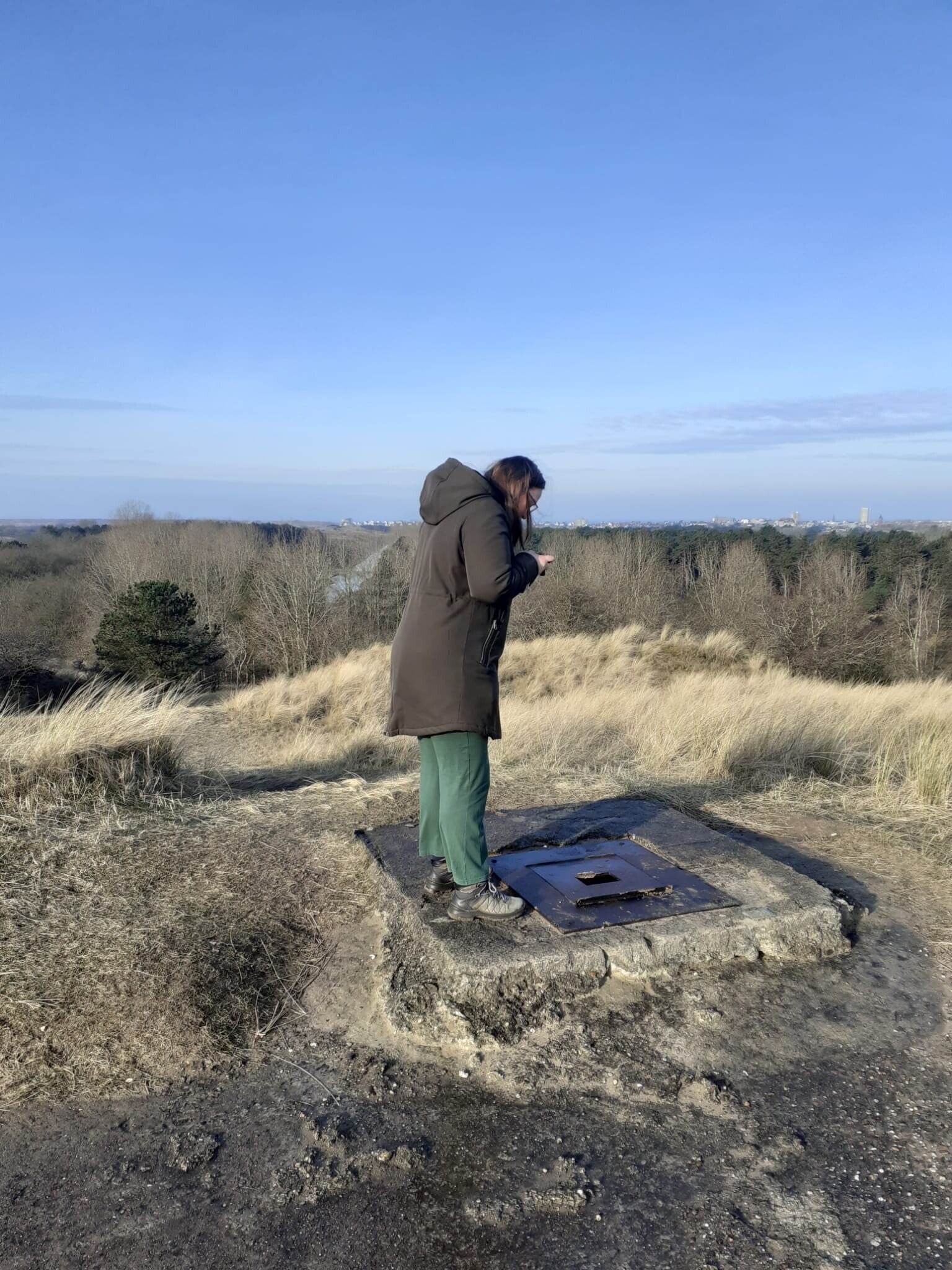
The reason we conduct research and fieldwork is to be able to share what we know and why it's important that we can share this knowledge with future generations, both now and in the future. Knowledge about our ancestors who lived in and with nature should not be lost, and we should become more aware of why it's so important to share and teach this knowledge.
Naturelife & People
Going back far into prehistoric times, we all lived in harmony with nature, on farms, for example, in the dunes. That's where life in Zandvoort began, in the Amsterdam Water Supply Dunes nature reserve. If you grew up and/or were born in Zandvoort, you have family living there and are a descendant of the people who lived, worked, and lived in the dunes. If you live in Friesland, Groningen, Drenthe, Gelderland, and Overijssel, your ancestors lived in sod huts in the surrounding nature reserves, such as the Hoge Veluwe National Park and similar reserves, as well as areas beyond where you can walk freely in nature.


Sod huts
In the east of the Netherlands, in Drenthe, you can still find sod huts like the one pictured here at Camping d'Oldenkamp in Drenthe, just around the corner from the Dwingelderveld National Park nature reserve.

Research to our indigenous nature life
Here you see a photo of a farm in South Kennemerland National Park where our grandfather grew up and his father was born. It's located at Duin en Kruidbergerweg in Santpoort-Noord, near the South Kennemerland National Park nature reserve. Since we started working on our family tree in 2016, we've learned more and our premonition, which we always had, is that our ancestors lived in nature because we always felt at home there, but also grew up there ourselves because we lived there and still do on weekends when we stay with our parents, but also by learning to walk and cycle during the weekly walk with our dune grandfather who knows all the roads in the Amsterdam Waterleiding Dunes and grandmother who their ancestors were dune people, but especially to Grandpa Bakker's side from Bloemendaal, whose family was a Koddebaaier family and lived, worked and lived in that dune area. But now that the house is a holiday home and you can rent it in the Zuid-Kennemerland National Park in Bloemendaal, he was born and raised in that house there in the dunes and, just like us, was always playing in the dunes at a young age.
Indigenous peoples have lived everywhere in the Netherlands, and we have been one with nature, in balance and happiness. However, since we were driven out by a changing society driven by power and money, we have been displaced. We are also researching this because there is something we already know, but we are always looking for more information.
Why we do researching to our indigenous nature life
Here we explain why we research our indigenous life in the Netherlands and why it is so important that we do so.
Our life in nature
It's important to research this and pay attention to it because we need to do more with nature again. We've been driven out of it by problems of power and money, and to this day we still experience psychological problems and traumas from this time, passed on in our DNA to subsequent generations. We, too, continue to experience problems because of this, losing our sense of purpose and direction. We're powerless against all these problems we carry and bear.
Remember where you come from
We all need to remember where we come from and be more aware of the impact it has on us now that we know we've been displaced by money and power, and by losing our connection with our ancestors and nature itself, we've also lost our connection with ourselves.
Back to more conscious living in and with nature
Nature heals us, which is why we spend our free time in nature, relaxing and healing. After such a walk, we feel reborn. This is instinctive, as we also have the need to spend as much time as possible there again, as it is interwoven in our DNA and ancestral lines. We are still deeply connected to it, and we have lost that connection and must find it again and reconnect with our roots.
Community
We lived in a community far back in prehistoric times. We were connected to each other, and that in nature, where we were also one and lived in unity, a whole. We helped each other and were always there for each other. We were loving and social with each other, but we also lived in peace. Now, in this day and age, you see the opposite. Now we are no longer strong, because in a community, you were much stronger and stood strong in life. Now you see the opposite, and we no longer live together peacefully. No, we now fight against each other, and the powerful pit each other against each other, resulting in hatred and dissent. There is no more peace and love for each other in society, but we no longer support each other, we exclude people, and we choose sides because we are quick to judge someone based on what we see and hear around us.
".Our roots are spread all over the Netherlands. My roots lie in the dunes of Amsterdamse Waterleiding dunes from my grandmother van Deursen's side and the Nationaal Park Zuid-Kennemerland from grandpa Bakker's side who comes from a family of hunting observers. Not only outside the Netherlands do you have indigenous tribes and peoples such as the Indians in North and South America, Suriname and Canada, not only that, but also spread worldwide are there people who live and have lived indigenously like us, we have forgotten it, we are no longer consciously aware of it and that is why we are the forgotten people. In the Netherlands we belong to that group of indigenous life such as the dune life in farms where potatoes were grown in the dune sand but also the people who lived in sod huts in the forests and on the heath, that is why we are also indigenous just like the Indians only we lived in a different way than they did like they had the wigwam and tipi, we had sod huts in the forests and the farms in the dunes and forests, we should not be a forgotten people, we are still here and proud of my origins, now you too."